
 Book Online
 Text Now
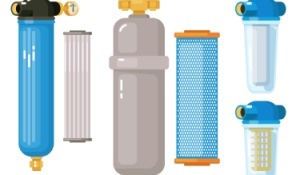
The Benefits of an In-Home Water Filtration System Clean, high-quality water is something many...
Are Plumbers the Right People to Talk About Water Quality? Absolutely. Here’s Why.
Are Plumbers the Right People to Talk About Water Quality? Absolutely. Here’s Why.
3:21
When homeowners start thinking about the quality of their water—hardness, taste, odor, contaminants, or how it affects their plumbing—the first question is often:
“Who should I talk to about this?”
At Tim’s Home Services, we hear this all the time. And the truth is simple:
👉 A licensed plumber is one of the most qualified people you can talk to about water quality.
Here’s why.
Plumbers See Water Quality Problems Every Single Day
Poor water quality leaves clues throughout your home:
-
Scale buildup on fixtures
-
Mineral deposits inside water heaters
-
Orange or brown staining from iron
-
Hard water spots on dishes and shower doors
-
Premature failure of appliances
-
Clogged aerators or filters
Because plumbers are the ones who diagnose and fix these issues, they understand the real-world impact of water quality better than anyone else.
They Work Directly With Water Treatment Systems
A big part of modern plumbing is water conditioning. Plumbers install and service:
-
Water softeners
-
Whole-home filtration systems
-
Reverse osmosis (RO) systems
-
Iron and sediment filters
-
UV purification systems
They know how different systems work, which brands last, and what setup makes sense for your home and water source—without the “sales pitch.”
Plumbers Understand Your Entire Home’s Water System
Water quality isn’t just about what’s in your water—it's also about how it flows through your home.
A plumber understands:
-
Your pipe material (copper, PEX, galvanized)
-
Pressure requirements
-
Water heater compatibility
-
Fixture restrictions
-
Local code requirements
This holistic view ensures any water treatment system you choose is properly sized, safely installed, and built to protect your home’s plumbing long-term.
They’re Licensed Professionals Focused on Protecting Your Health
Plumbers are trained and regulated to ensure safe, clean, reliable water in your home. They work under strict plumbing codes and are responsible for preventing contamination and keeping your water system protected.
That makes plumbers not just qualified—but trusted—to advise you on water quality.
When a Plumber Might Recommend Additional Testing
For deeper analysis—like testing for bacteria, nitrates, lead, or arsenic—your plumber may recommend sending a sample to a certified lab.
But the plumber is still the expert who:
-
Explains what the results mean
-
Recommends the right treatment
-
Installs the solution
-
Maintains the system
They’re your go-to partner at every step.
Bottom Line: If You Have Water Quality Concerns, Start With a Plumber
Whether you’ve noticed staining, strange smells, poor taste, hard water, or just want healthier water for your family, your plumber is one of the best resources you can have.
At Tim’s Home Services, our licensed technicians can test your water, recommend the right filtration or softening system, and make sure your home’s plumbing is protected for years to come.
Have questions about your home’s water?
👉 Call 612-827-7951 or book online today.
Clean, safe, great-tasting water is just a conversation away.
@timsqualityplumbing We take water quality seriously-it's not just part of what we do, it's something we're passionate about.
♬ original sound - Tim's Quality Plumbing